
Causes of Noise in Automotive Bearings
01 Causes of Bearing Noise
1. Excitation due to variations in loaded rolling elements
When a radial load is applied to a bearing, the number of rolling elements bearing the load may slightly fluctuate during operation, causing a shift in the load direction.
2. Localised damage
Minor sections of the bearing raceway and rolling elements may become damaged due to operational or installation errors. During operation, damaged bearing components generate specific vibration frequencies. Vibration frequency analysis can identify these damaged components. This principle is applied in condition monitoring equipment to detect bearing damage.
3. Precision of Associated Components
Where the inner and outer rings of a bearing are in close contact with the bearing housing or drive shaft, deformation may occur due to improper fit with adjacent components. Should deformation occur, vibration and noise may manifest during operation.
4. Contaminants
When equipment operates in contaminated environments, debris may ingress into the bearing rolling elements, generating vibrational noise. This typically manifests as an audible, disruptive hum.
5. Other Factors
Noise generation in rolling bearings arises from complex causes, chief among them being wear on the mating surfaces of the inner and outer rings. This wear disrupts the alignment between the bearing and housing, or between the bearing and shaft, causing the shaft axis to deviate from its correct position. This results in abnormal noise during high-speed shaft rotation. Additionally, insufficient lubrication leading to dry friction, bearing fracture, or damage to the cage can all produce unusual sounds. Bearing wear or a loose, damaged cage may also generate abnormal noise.
02 Do different bearings produce varying noise levels?
1. Ball bearings produce less noise than roller bearings. Bearings with relatively less relative sliding generate lower (friction) noise than those with greater relative sliding. Bearings with more balls and thicker outer rings also exhibit lower noise levels.
2. Bearings using solid cages produce relatively less noise than those using stamped cages.
3. Bearings with plastic cages produce lower noise than those with either of the above cage types;
4. High-precision bearings, particularly those with higher-precision rolling elements, exhibit relatively lower noise than lower-precision bearings;
5. Smaller bearings produce relatively less noise than larger bearings.
Do different bearings produce varying levels of noise?
1. Ball bearings produce less noise than roller bearings; bearings with relatively less relative sliding generate lower (friction) noise than those with greater relative sliding; bearings with more balls and thicker outer rings also exhibit lower noise levels;
2. Bearings using solid cages produce relatively less noise than those using stamped cages;
3. Bearings with plastic cages produce less noise than those with either of the above cage types;
4. High-precision bearings, particularly those with higher-precision rolling elements, exhibit relatively lower noise levels than lower-precision bearings;
5. Smaller bearings produce relatively less noise than larger bearings.
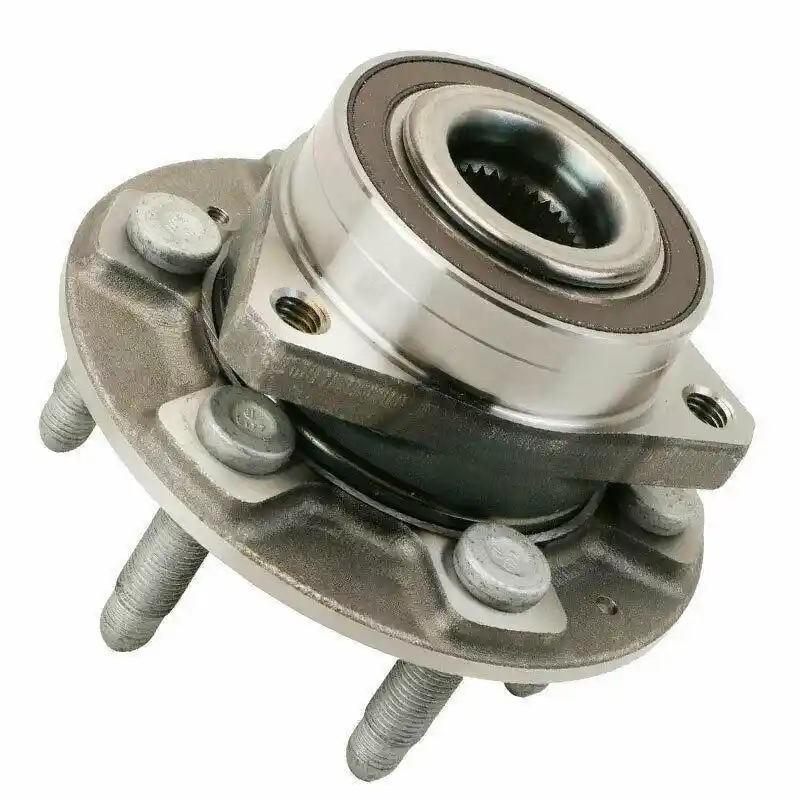
Recommended Products:wheel-hub-bearing-oem-3780a007
 Pre-sale advisory commissioner
